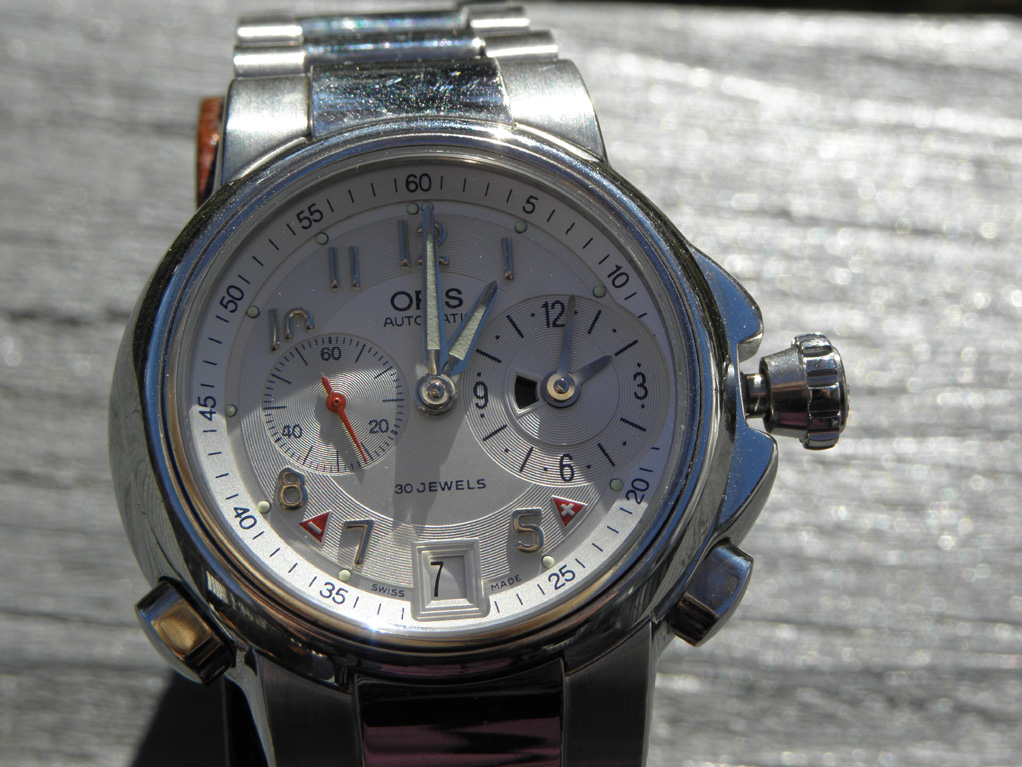
 Daylight Saving Time occurs in the United States at 2:00 am on Sunday, Nov. 7. That means that if you don’t stay up until 2 am – you’re going to want to set your clocks back one hour before you go to bed tonight – otherwise you will miss that extra hour of sleep in the morning. Of course, the US territories (US Virgin Islands, Puerto Rico), Hawaii, and most of Arizona don’t participate in DST, but for the rest of us – this is the “fall back” weekend.
The reason for Daylight Saving Time is somewhat obscure. Some say it is practiced in an effort to save energy, but that argument has been called into question. Nonetheless, here’s a little insight into the history of DST for those time junkies who have nothing better to read today.
In 1895, a New Zealand entomologist (studier of bugs) who spent his extra time after work collecting insects, wanted more daylight time for his studies, so he presented a report proposing a two hour daylight saving time program (George Vernon Hudson and the Wellington Philosophical Society). Though the concept wasn’t embraced internationally, it laid the groundwork for Germany and its allies to adopt the idea during the world wars in an effort to conserve coal. Thereafter, many countries, including America, followed suit.
In the United States after World War II, states could select if they wanted to impose DST and on which dates. However mass confusion caused Congress to establish the Uniform Time Act in 1966, which set a protocol for DST times/dates. Still, some US states/territories don’t participate, and argue the usefulness of it. As part of the Energy Policy Act of 2005, the length of DST in America was extended by four weeks, starting in 2007. Additionally, while it is recognized around the world, not all countries practice DST, and those that do, do so on different dates. For more information on time in your zone or around the world, visit www.worldtimezone.com/daylight.html
At any rate, here we are in the Fall Back portion of the “Spring Forward, Fall Back” DST concept. So don’t forget to change your clocks/watch(es).
 As for me — I just wonder with 14 clocks in my office and another dozen scattered throughout the house to be changed (not to mention all the watches to be set back an hour) –how much of that extra hour of sleep I’m really going to get?